
Heat, sun, and roof-mounted equipment can make a commercial roof review more than a surface walk. In Poway Business Park, we record the assembly, drainage, and condition of each authorized property before setting a repair boundary. The business park is broad, so the exact address and roof plan matter more than its name.
Poway describes the Business Park as a 700-acre complex and the city’s main commercial area. Poway Business Park includes more than 500 businesses and about 18,000 employees across over 9.5 million square feet of office and industrial buildings. Those totals describe the business district, not the roof area or condition of an individual property.
Capture Baseline Roof Conditions
A baseline starts with the property identity, roof sections, known materials, equipment, drainage, and repair history. We compare available drawings with field conditions and note any addition or resurfacing that appears to change the assembly. The record identifies where each observation was made and what could not be reached.
A manager may need to distinguish a leak needing prompt attention from a broader capital concern. We categorize observed failures, maintenance items, and questions for testing. If the roof plan is incomplete, photographs and a marked sketch provide a practical location reference for follow-up.
A commercial roof inspection can create this baseline for an individual building or a portfolio. Each property gets its own findings even when the owner coordinates visits across the wider Business Park.
Account for Heat Exposure
Sun exposure, roof color, insulation, and equipment loads affect surface temperatures, but a warm membrane does not prove a defect. We record visible movement, seam condition, flashing, ponding, and any reported interior symptoms. The building’s own maintenance history helps distinguish expected movement from a repair concern.
A surface may look different after a period of sun or rain. We note when it was inspected and whether the material was wet, shaded, or recently serviced. A thermal image, if used, helps identify a pattern for further review; it does not establish wet insulation without confirmation.
At penetrations and expansion joints, movement can affect seals and flashing details. The inspection follows each interface and the surrounding field. Where a test is needed, we state how it will affect the proposal and how the opening will be restored.
When a roof shows movement, the report should locate it by section and explain what else was checked. We examine terminations, fasteners, seams, and changes in plane before proposing a correction. If the condition is stable and isolated, monitoring may be appropriate; if it repeats, the owner can authorize a closer material review.
Inspect Drains and Equipment Curbs
Internal drains, scuppers, gutters, curbs, and mechanical supports create distinct interfaces in a commercial roof. We inspect the visible membrane connection, fasteners, flashing transitions, and nearby seam. Debris or standing water is recorded as observed, not converted into a conclusion about a hidden drain line.
Equipment may have changed since the original roof work. We check whether penetrations and supports have compatible details and whether service access has affected the membrane. The roof plan and maintenance history can show where modifications occurred, while field access confirms the present condition.
Routine visits under preventive roof maintenance can document drain cleaning, debris removal, and detail observations. If a leak exists, maintenance notes should remain separate from a diagnosis and permanent repair proposal.
Plan Employment-Area Logistics
The Business Park includes office and industrial uses, but work constraints vary by property. We confirm delivery times, equipment access, loading activity, roof entry, work hours, and interior protection with the manager. These site-specific controls help keep a repair plan from interfering with essential operations.
For a phased job, each roof section needs a defined start, closure, and inspection point. Temporary tie-ins and weather protection are planned before removal. If the substrate differs from the estimate, the crew records it and seeks approval rather than expanding the scope automatically.
Portfolio managers may coordinate common contractor visits while maintaining separate property files. Access contacts, roof maps, photos, and proposals are filed by address. That structure lets the owner compare priorities without suggesting that buildings share a system or condition.
The manager can also identify sensitive equipment or work areas that should remain available during the visit. We confirm those boundaries before bringing material onto the roof.
Evaluate Testing and Renewal
Testing is useful when a hidden condition could materially change the repair boundary. Broad moisture readings, repeat leaks, or deterioration across multiple sections may justify targeted openings or a replacement evaluation. We state what the test will answer and what uncertainty will remain.
A defined repair should explain material compatibility, surface preparation, removal extent, and the tie-in to sound roof. If multiple separate leaks share a pattern, the report can help an owner compare localized repair with broader renewal. The scope remains tied to the actual roof sections involved.
The district’s many businesses and buildings make a property-level record particularly useful for portfolio planning. Our manufacturing property coordination considers work windows and equipment interfaces when that use applies, without assuming a particular tenant at any address.
Schedule a Poway Roof Visit
A request should identify the street address, roof contact, known membrane, condition concern, and timing of water entry if present. A roof plan and previous repair records can reduce unnecessary inspection time. We review access and any interior protection requirement before confirming a site visit.
Poway Business Park is a broad commercial area, not a single job site; every roof request is tied to an individual property. We serve authorized commercial properties across the broad district and verify scope at each address. A plan label does not authorize work or establish a roof condition.
For owners with related properties near Oceanside, the Oceanside corridor area is also part of the surrounding service region. The same reporting method can support comparison, while each location maintains a separate inspection and recommendation.
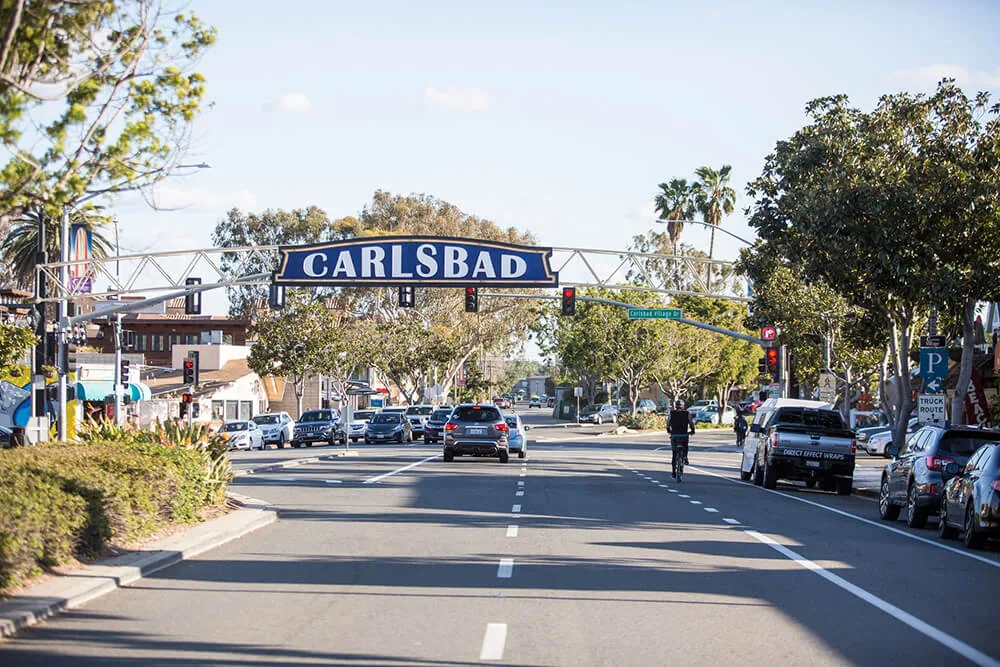
Related requests in Encinitas may fall within the El Camino Real corridor, while Carlsbad properties use the Carlsbad city coverage area. Both are separate broad geographies in the surrounding service region. An owner coordinating visits can compare dates and priorities, but not assume common roof construction.
Commercial Roofing Questions
Does the 700-acre Business Park figure represent roof area?
No. It describes the broad district footprint. It is not the total roof area, building count, or condition of a property. We use the address and roof plan to define what will be inspected.
Can the reported office and industrial square footage be used to estimate a roof replacement?
No. The City figure describes building area across the district, not a particular roof or project. A replacement estimate needs measured roof sections, assembly information, access details, and a defined scope.
Can a thermal scan confirm moisture under the membrane?
A thermal pattern can help select follow-up locations, but it does not confirm wet insulation by itself. The inspection explains the test method and any opening needed to verify a condition, with owner approval and a restoration plan.
How should a multi-property owner organize maintenance records?
Use a separate property identity, roof map, dated photographs, repair history, and open questions for each building. A portfolio summary can compare priorities, while retaining independent technical findings and work approvals.
Can maintenance and repairs be scheduled in one visit?
The visit can include a defined maintenance scope and separate investigation where a defect is reported. The record should distinguish debris removal and observations from permanent repair work, which may require material review, testing, and separate approval.