
A seam split or loose flashing along a commercial roof can admit water before an interior mark reveals the path. For an Encinitas property near El Camino Real, we inspect the roof assembly and identify the authorized work area before proposing a repair. Corridor context helps locate the request but does not establish any building condition.
The El Camino Real corridor plan was adopted in 2024 and covers about 228 acres. It defines a broad planning corridor, not one parcel or tenant. We use the district name as orientation, then verify the property address, access route, roof records, and current surface conditions.
Translate Corridor Requests into Property Scopes
The first step is confirming which commercial property is requesting service and who can authorize access. The manager identifies roof entry, interior contacts, and any rules affecting deliveries or work hours. A map or address alone is not enough to define which roof sections should be inspected.
Drawings, warranty records, photos, and maintenance notes can show previous modifications. We compare that history with what is visible on the roof and record gaps in the documentation. If a roof section is inaccessible, the report states that limit and does not imply it was inspected.
Our commercial roof review creates a location-specific record for the approved property. It can support repair planning, maintenance, or further testing while keeping the corridor plan separate from roof construction facts.
Investigate Water Entry
The reported interior location guides the inspection but may not align with the roof opening. Water can move below the membrane, follow deck flutes, or travel along a support before appearing inside. We compare the leak timeline with seams, curbs, penetrations, wall transitions, and drainage paths near the affected area.
Observations should identify active water, staining, surface moisture, and material separation as different conditions. We record when the roof was visited and recent weather if it affects interpretation. That record helps the manager decide whether a repeat visit or controlled test is warranted.
Where a hidden layer matters, targeted moisture testing may be proposed. The method should state locations and restoration steps. A temperature reading or moisture pattern can suggest where to investigate, but confirmation may require a test opening approved by the owner.
Inspect Roof Components
The survey can include membrane, seams, edge metal, parapet flashings, skylights, equipment curbs, roof hatches, drains, and scuppers. Each item is recorded by roof zone. We inspect enough surrounding material to understand the tie-in rather than evaluating a flashing detail in isolation.
The existing system determines what repair material can work. We identify visible membrane and past coating where possible and note any uncertainty about insulation, deck, or attachment. A product choice is not recommended until compatibility and surface preparation are understood.
A drain or scupper issue may be handled through the drainage review, which documents the outlet and membrane interface. Maintenance that removes debris is recorded separately from repair to a failed connection or damaged roof material.
Protect Occupied Space
Roof work can affect people below through noise, odor, material movement, or access restrictions. The property contact identifies sensitive areas and work hours before mobilization. The contractor confirms staging and barriers, and documents who can authorize changes if a concealed condition is uncovered.
Before removal, the proposal defines a daily stop point and temporary weather closure. The crew records exposed layers and pauses if conditions differ from the estimate. This avoids treating a changed substrate as automatic approval for added work.
A schedule can coordinate work by roof section or business activity, but each phase needs a safe transition and final inspection. The manager receives status on open conditions and a record of completed repairs before the crew moves to another area.
When rain interrupts planned roof work, the crew should leave each opened area in a defined temporary condition. The report records the closure, materials used, and remaining work. A manager then knows which details need a return visit and which surfaces were completed, instead of relying on a general end-of-day note.
Compare Repair with Other Options
A repair can be reasonable when a defect is localized and the surrounding assembly supports a compatible tie-in. If seam or flashing failures recur, wet insulation appears in multiple areas, or the membrane has widespread deterioration, the owner may want to compare testing with a broader renewal proposal.
The condition report separates what is confirmed from what could not be verified. That distinction allows an owner to set aside budget for a test rather than assuming the worst or ignoring an unresolved condition. Each option should define roof sections and work assumptions.
For properties across nearby districts, an owner can compare reporting from Del Mar Village and Carlsbad without blending local roof histories. The shared categories support portfolio review while every recommendation remains address-specific.
A phased scope should identify the roof sections included and the transition between phases. The owner can then align access windows with interior operations and review the work completed before releasing the next section. A change in deck or insulation condition is documented as a decision point, not absorbed silently into the original allowance.
Define Corridor Coverage
The corridor is a broad, plan-defined service area in Encinitas. It does not refer to one named business, building, school, medical property, or exact address. We confirm the requested commercial address and work authorization before inspection or repair.
A request can include the property contact, roof plan, known system, repair history, leak timing, and access limits. If a property is occupied, identify interior protection needs and work windows. We review those details before choosing a field path or recommending a test.
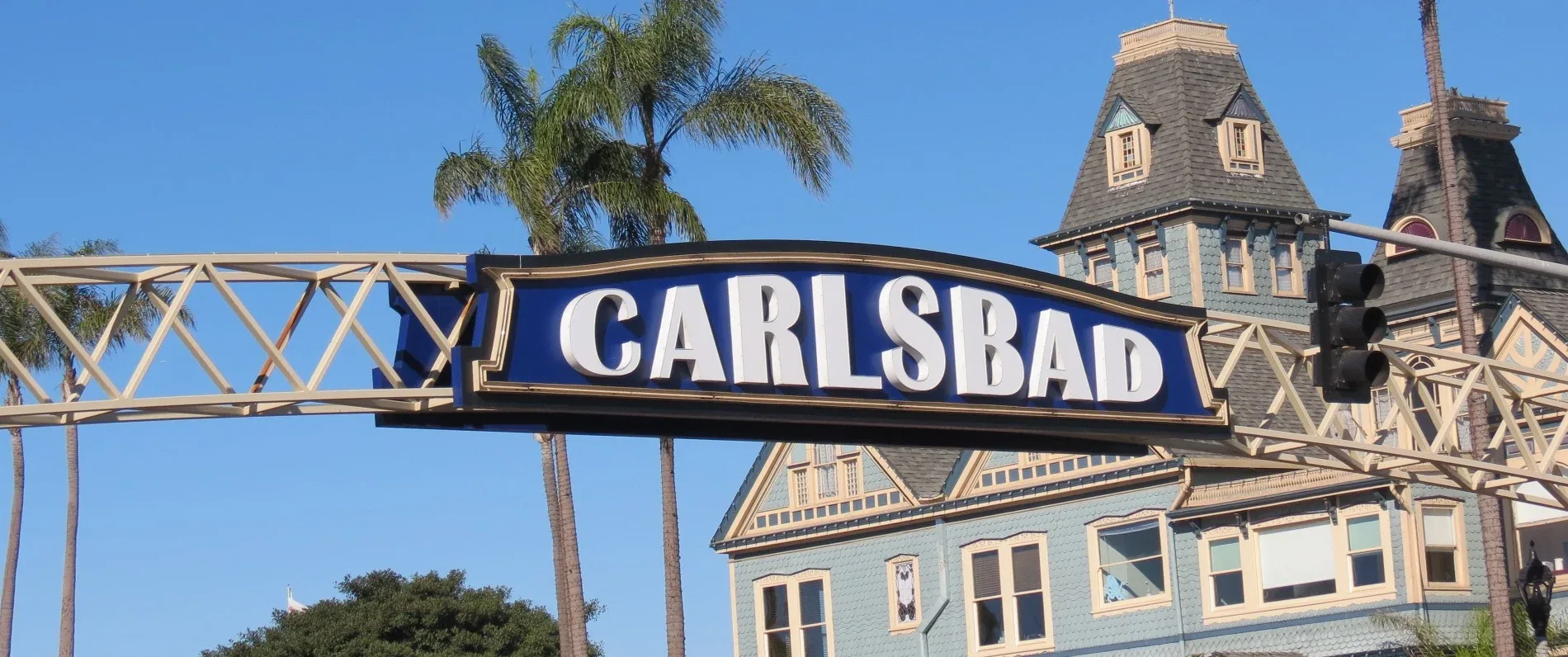
Nearby Carlsbad commercial districts may also be served when property location and scope fit, including the broad Village and Barrio planning area. Coverage is not project acceptance; the final schedule and scope are confirmed for each authorized property.
Carlsbad districts and Poway Business Park are also part of the surrounding service region, including broad service areas in Carlsbad and at Poway Business Park. Carlsbad and Poway are separate service areas; we confirm scope and access independently for each property. We confirm each service address before mobilization and do not extend one building finding to another location.
For each request, the inspection report distinguishes visible roof conditions from concealed layers that could not be confirmed. That distinction gives the property manager a clear basis for deciding whether to authorize a test, repair, or separate capital review.
Commercial Roofing Questions
Does the 228-acre plan area describe a single commercial property?
No. It describes a broad El Camino Real planning corridor. Roofing service is tied to a specific authorized property address, access plan, and inspection scope.
Can the corridor plan tell you what membrane is on a building?
No. Planning documents do not identify an individual roof assembly. We use available construction records and field observations to confirm materials, layers, drainage, and prior changes.
What should be done when a roof leak is active?
Protect the interior and notify the authorized property contact. Document the timing and location, then arrange a roof review. Temporary protection may be appropriate, but a permanent repair needs an evidence-based boundary and compatible materials.
Can testing be performed during a first visit?
Testing may be proposed when the assembly and findings make it useful. Locations, method, limits, and restoration should be approved before work. A visual review may first be needed to decide whether testing can answer the question.
Do corridor-area reports cover every address nearby?
No. A service-area page identifies broad geography. Inspection findings and repair scopes apply only to the buildings and roof sections listed in the approved proposal.