
A wet ceiling in a commercial space can reflect a roof opening well beyond the visible stain. In Carlsbad Village and Barrio, we trace that concern through the roof assembly while accounting for the business activity and access rules below. The report identifies observed conditions before repair options are discussed.
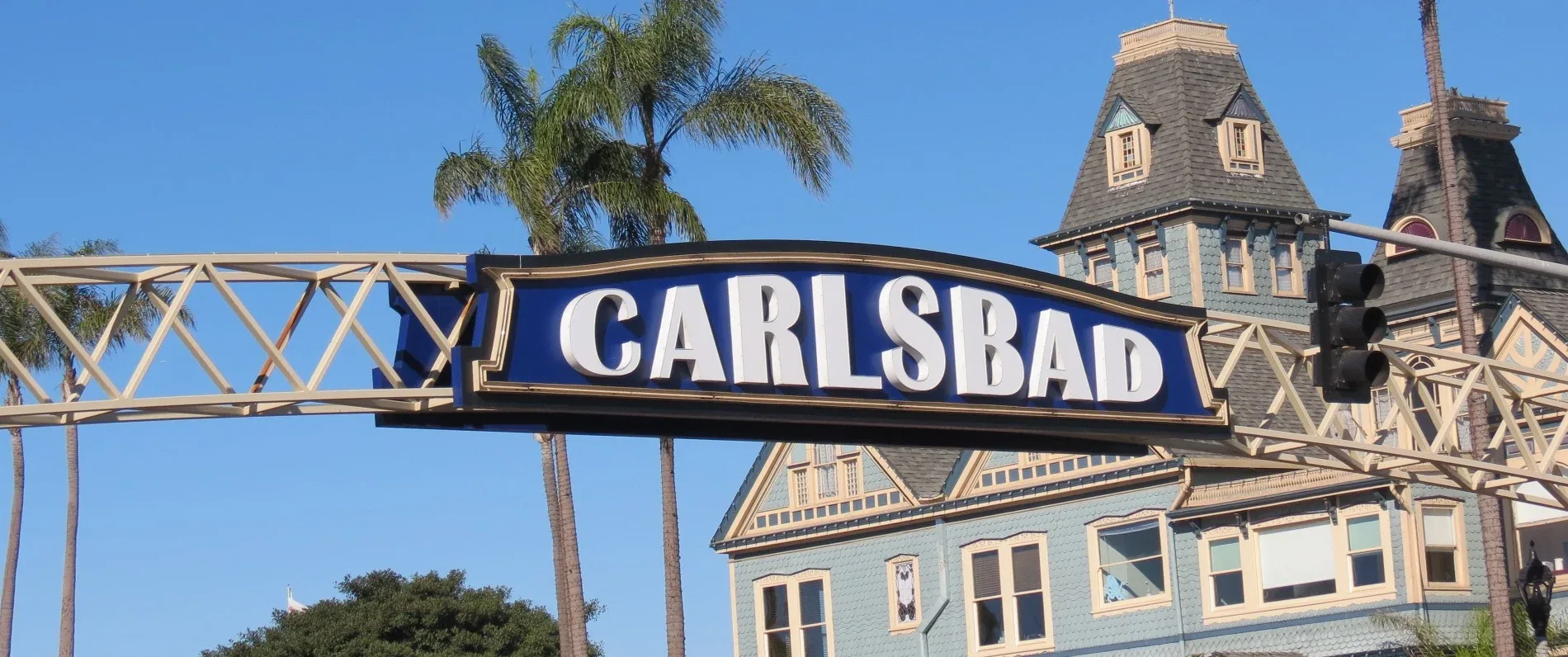
The Village and Barrio Master Plan, adopted in 2019, covers an area of about 350 acres around the Carlsbad Village transit station. That planning area is broad and mixed-use; it is not a single property or roof. We confirm the requested address and building authorization before arranging roof access or interior review.
Account for Mixed Uses
A commercial property in a mixed-use district may have public-facing space, office functions, storage, or other operations. We ask the manager which areas must remain accessible and which interiors need protection. Roof inspection points are selected based on the reported issue and confirmed roof layout, not assumptions about neighboring uses.
Available drawings, past repair invoices, warranties, and maintenance notes help distinguish original details from later changes. We compare them with current conditions and mark where the records no longer match. If an area cannot be accessed, that limit is recorded rather than described as a satisfactory condition.
A commercial roof assessment can establish a baseline for future maintenance or budgeting. The written record ties photographs and findings to roof zones so a manager can share the information without relying on memory from a site walk.
Trace Water to Its Entry Point
Water may pass through an open lap, a curb corner, a drain connection, or a wall transition, then move along framing or a deck profile. The ceiling mark can appear at a different point. We compare the complaint timeline with rooftop details and inspect the path outward before choosing a repair boundary.
Surface moisture after a cool morning or a prior rain needs context. We record whether water is active, whether the interior finish is dry or stained, and which roof conditions were present during inspection. These observations help separate possible condensation from an opening but do not replace testing where uncertainty remains.
A targeted moisture review or test cut can answer a specific question when the roof assembly and access make it appropriate. The owner approves locations and restoration before the opening occurs. We identify what the test can establish and the limit of conclusions that can be drawn from one location.
For a leak that appears intermittently, a short timeline can be more useful than a single photograph. Note whether the mark changes after rain, morning fog, equipment service, or a roof visit. We compare those reports with the accessible surface and identify which observations support a repair or further test.
Review Priority Details
The review follows the reported water path to seams, penetrations, wall flashings, edge metal, drains, scuppers, and rooftop equipment. Each detail is photographed with enough context to locate it again. We look at the adjacent membrane because a patch can fail where it joins a moving or incompatible surface.
Material identification affects repair design. The proposed work names the membrane or flashing material, preparation, connection method, and expected boundary. When a surface has coatings or old patches, we assess whether a compatible repair can be made without assuming the visible layer tells the full assembly history.
For occupied commercial buildings, the occupied-building work plan addresses access and protection during roof work. Even a localized repair can require communication below if tools or materials move through public or shared areas.
Plan around District Activity
Before mobilization, the manager and contractor confirm delivery access, crew movement, material storage, public paths, and work hours. If a roof hatch opens to an occupied space, interior protection and notice may be needed. The plan identifies who can approve a changed condition and who receives daily updates.
A repair that removes membrane should have a weather response, daily closure detail, and clear stopping point. The crew documents the exposed substrate before continuing. If the condition differs from estimate assumptions, the work pauses for an owner decision rather than expanding by default.
Noise, odor, hot work, and debris handling may influence sequencing near active commercial space. The scope identifies the controls needed for the specific building. A district-wide description cannot establish restrictions for every parcel, so the property contact confirms the applicable rules.
Set Repair Thresholds
A defined repair may be appropriate when the defect is local and the surrounding material can support a compatible tie-in. A wider evaluation may be justified when failures recur across several details or wet materials extend beyond the visible symptom. We describe the evidence for each conclusion so a manager can compare the choices.
The report can separate active leakage, maintenance, monitored conditions, and capital questions. It identifies areas not inspected and any testing needed to understand concealed layers. This lets the owner set a budget without treating every uncertainty as confirmed damage.
If properties also sit in the Avenida Encinas employment area, a portfolio review can use the same report structure. The assemblies, roof history, and repair boundaries remain specific to each building.
Define Village Coverage
The name refers to a broad planning area around the Village and Barrio, not a venue, individual tenant, or one roof. We can review authorized commercial properties within the service boundary after confirming the address, scope, and access contact. Work is tied to the property receiving the proposal.
A clear request includes roof drawings if available, the leak timeline, prior repairs, known system, and any tenant or work-hour limitations. We confirm whether roof access alone is sufficient or interior observations will be needed. If testing is proposed, the method and restoration are agreed before the visit.
Other Carlsbad districts and nearby communities are served when project scope and distance allow. The Carlsbad coverage area provides the broader geographic boundary. It does not imply a project at every address within the named district.
A commercial property east or inland of the Village can be coordinated with the Encinitas El Camino Real corridor or the Palomar Airport Road employment area. Those names orient regional coverage; they do not group separate roofs into one repair scope.
Commercial Roofing Questions
Does the master plan define a roofing service boundary?
The plan identifies a broad district for geographic context. A service request still needs an authorized property address, a confirmed scope, and access arrangements. Roof conditions are assessed at the individual commercial building.
Can you inspect a roof during business hours?
Scheduling depends on roof access, interior protection, tenant operations, and the work being performed. We coordinate a visit window with the property contact and identify any areas requiring notice or temporary separation.
Can a ceiling stain confirm a roof leak?
A stain is a useful symptom but may reflect water traveling from another roof location or a non-roof source. We inspect the assembly and compare the timing, interior location, and nearby roof details before recommending repair or further testing.
What if the roof drawings are outdated?
We use available plans as a reference and record discrepancies found in the field. A sketch or marked photograph can document the current section layout. Unknown layers or inaccessible areas remain identified as open questions.
Can several Village properties share a roof report?
A summary may group inspections for scheduling or budgeting, but each building needs its own observations and recommendations. The master-plan boundary does not mean that properties share a roof assembly or condition.