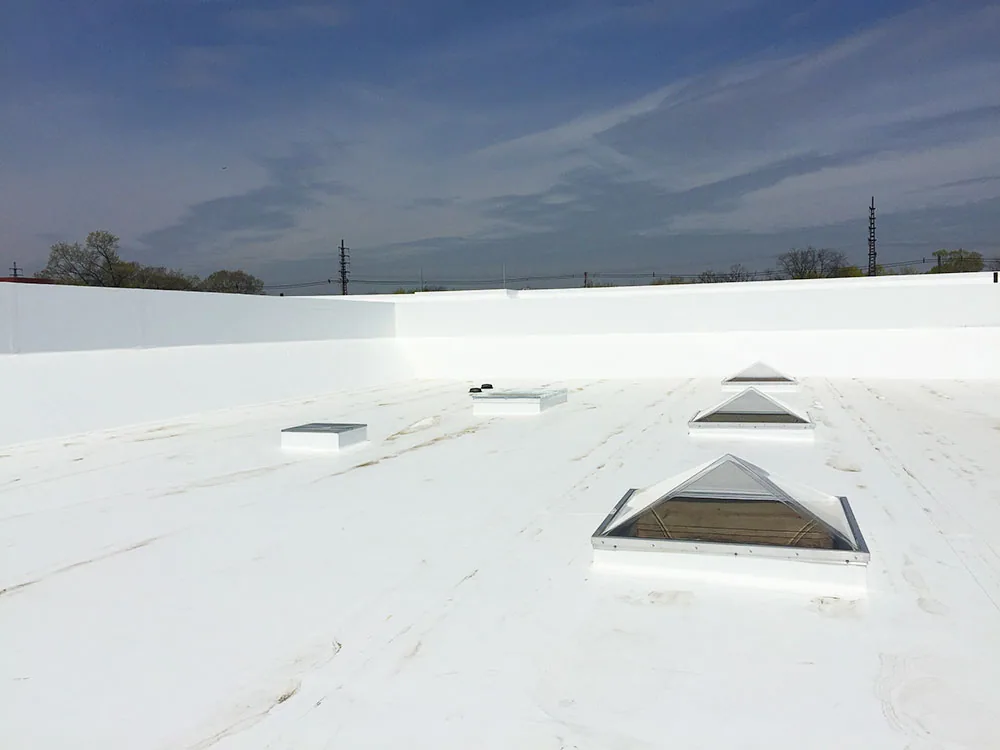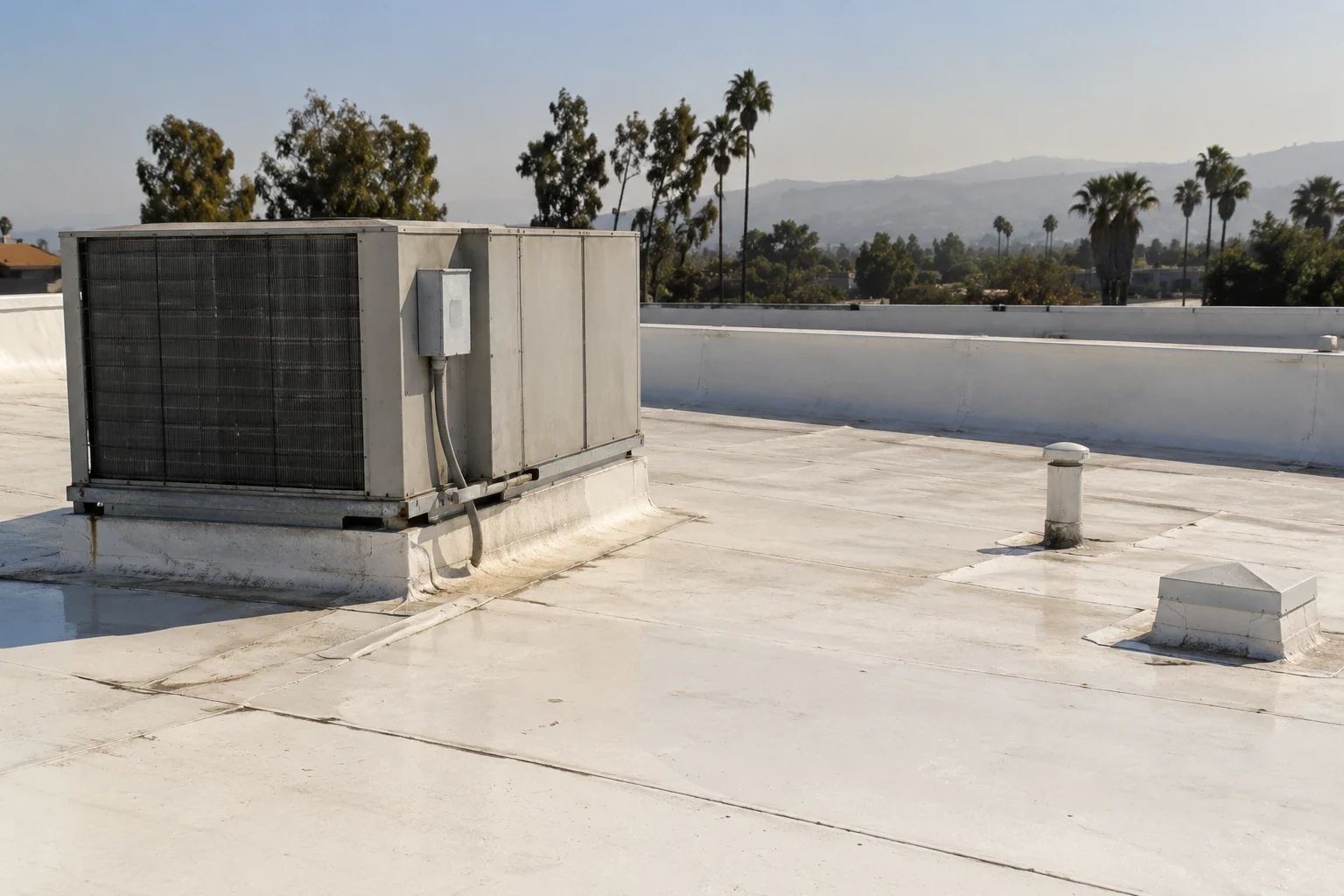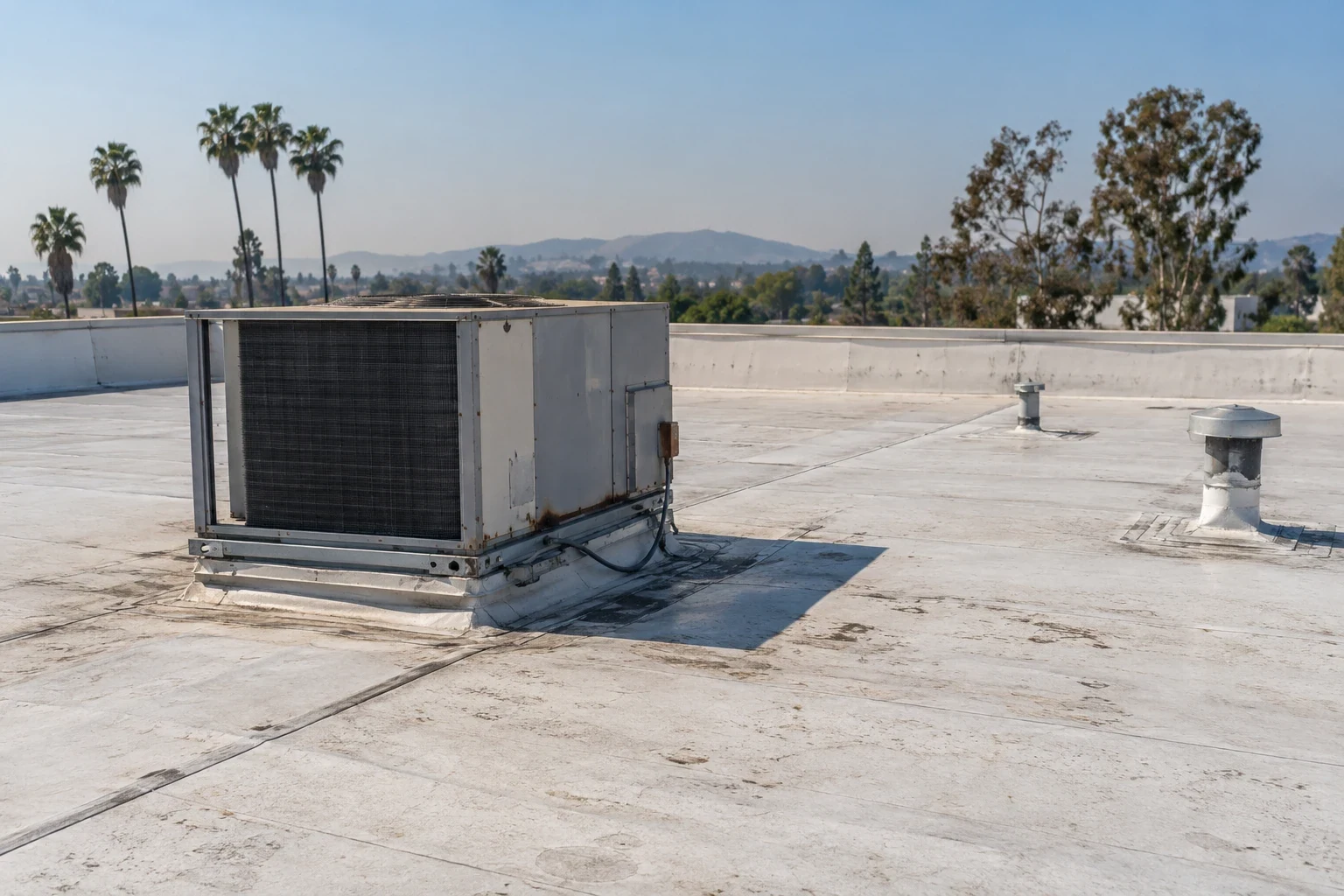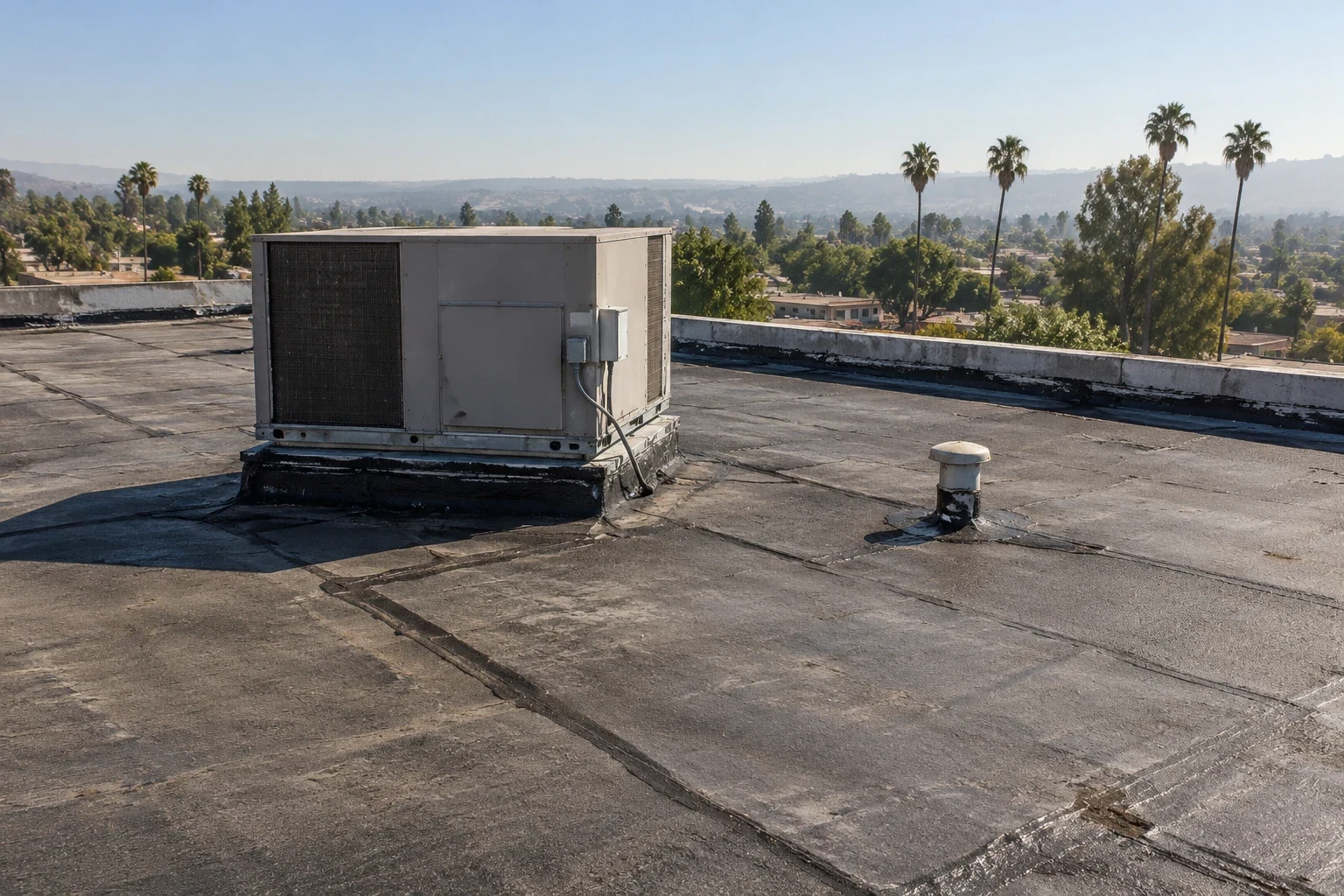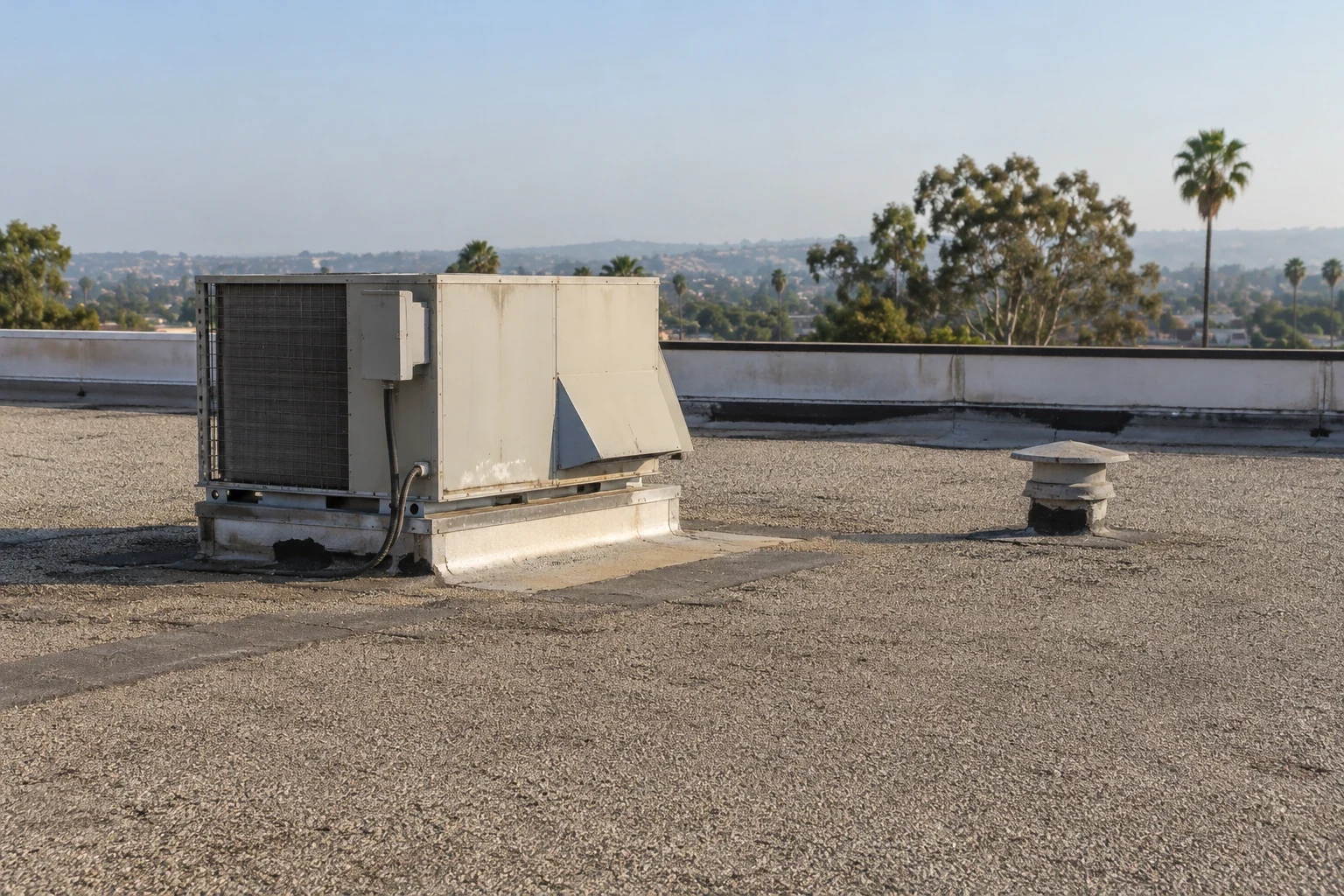
A membrane name does not tell an owner whether the roof can be repaired or retained. We identify the visible assembly, attachment, seams, edges and substrate before recommending a system in Carlsbad. Coastal low cloud and fog can persist beneath an inversion. That is context for examining surface moisture and drainage, not a claim that fog damages every roof. System selection follows the specific roof and the operation below it.
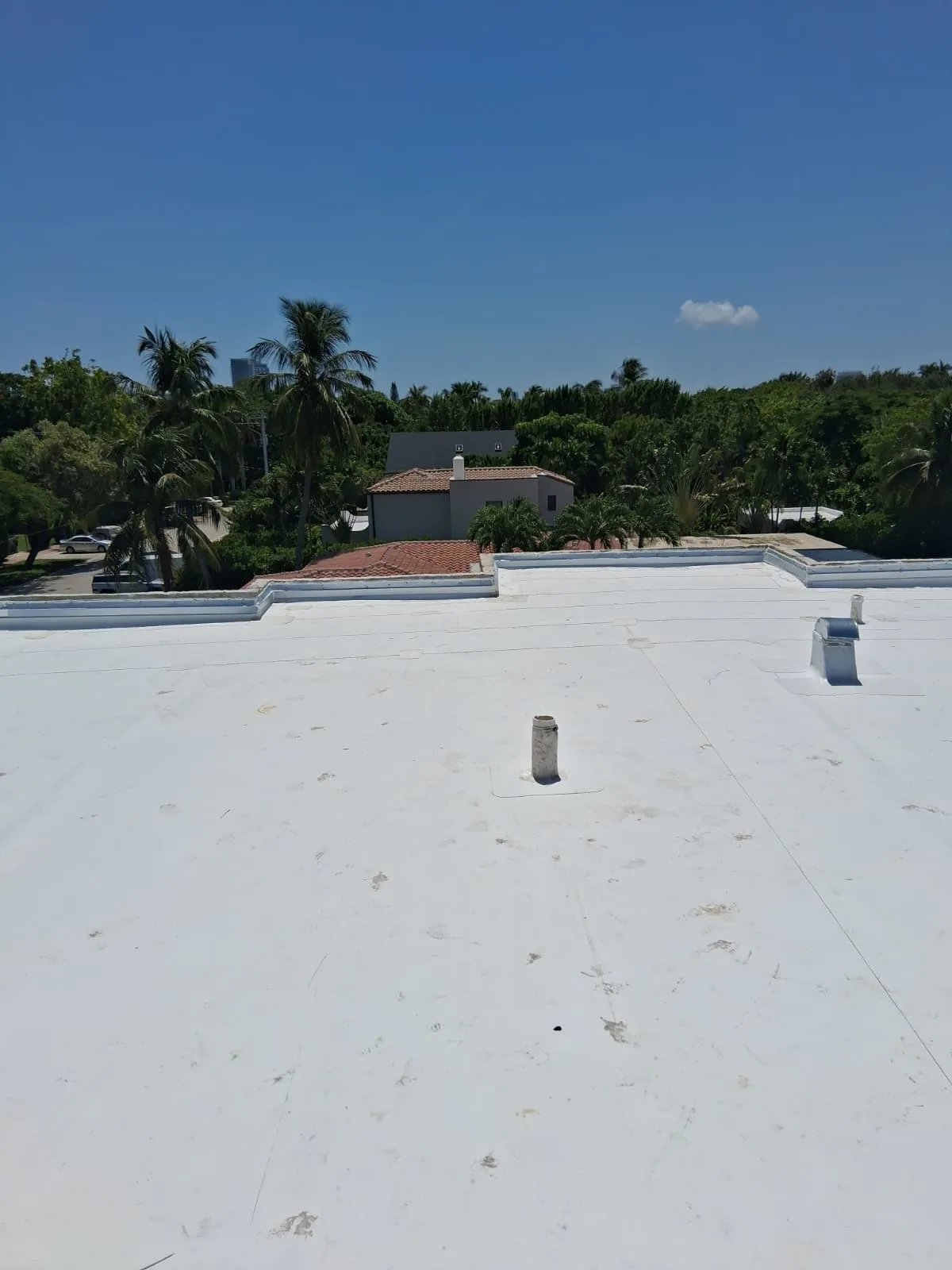
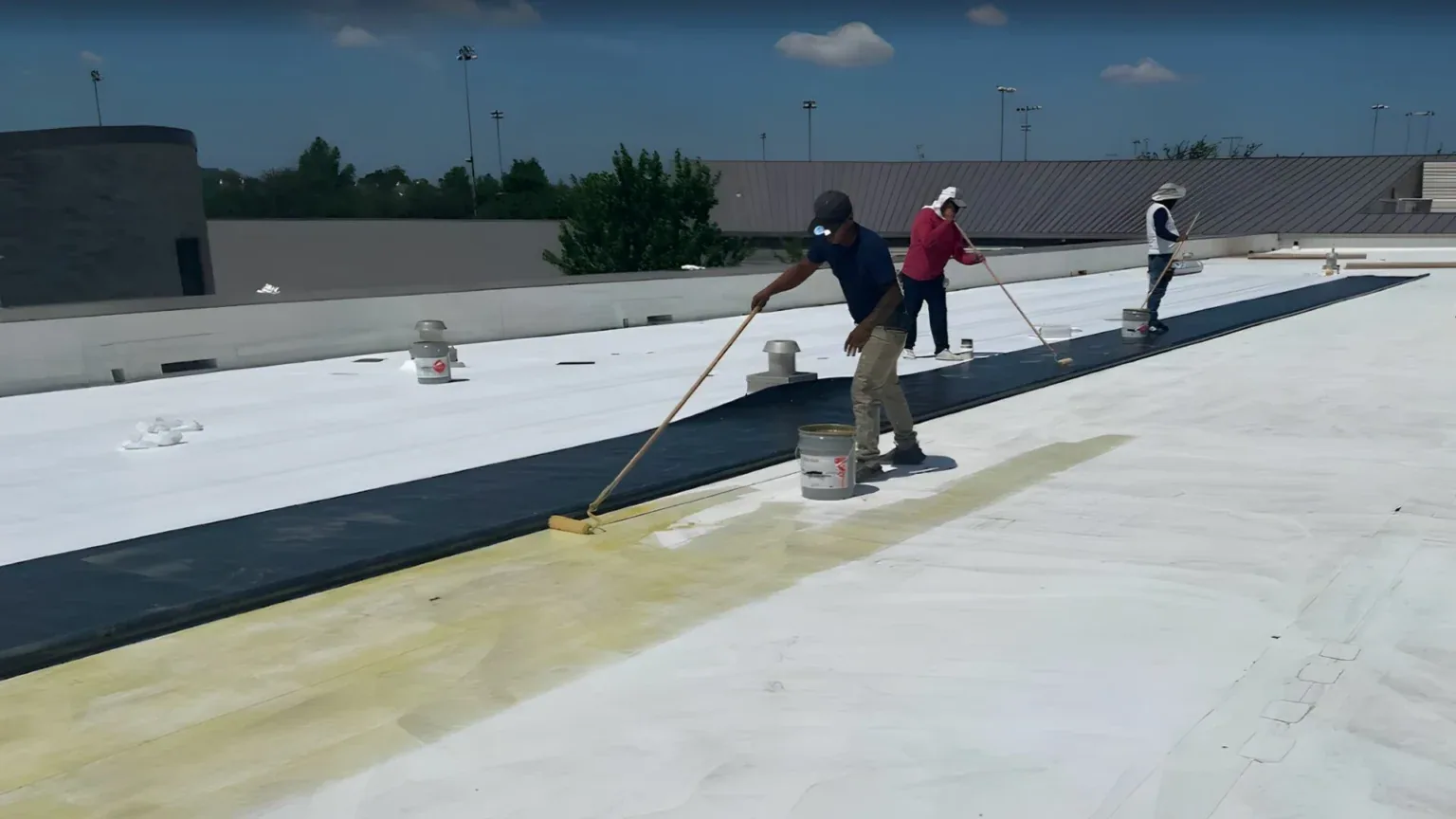
TPO and PVC use heat-welded seams that need clean, compatible surfaces. EPDM relies on prepared adhesive or tape details, while KEE assemblies are reviewed against their specified construction. We inspect curbs and wall turns because a field sheet can remain sound while a termination admits water. The repair method depends on the system actually installed, not a label on an old record.
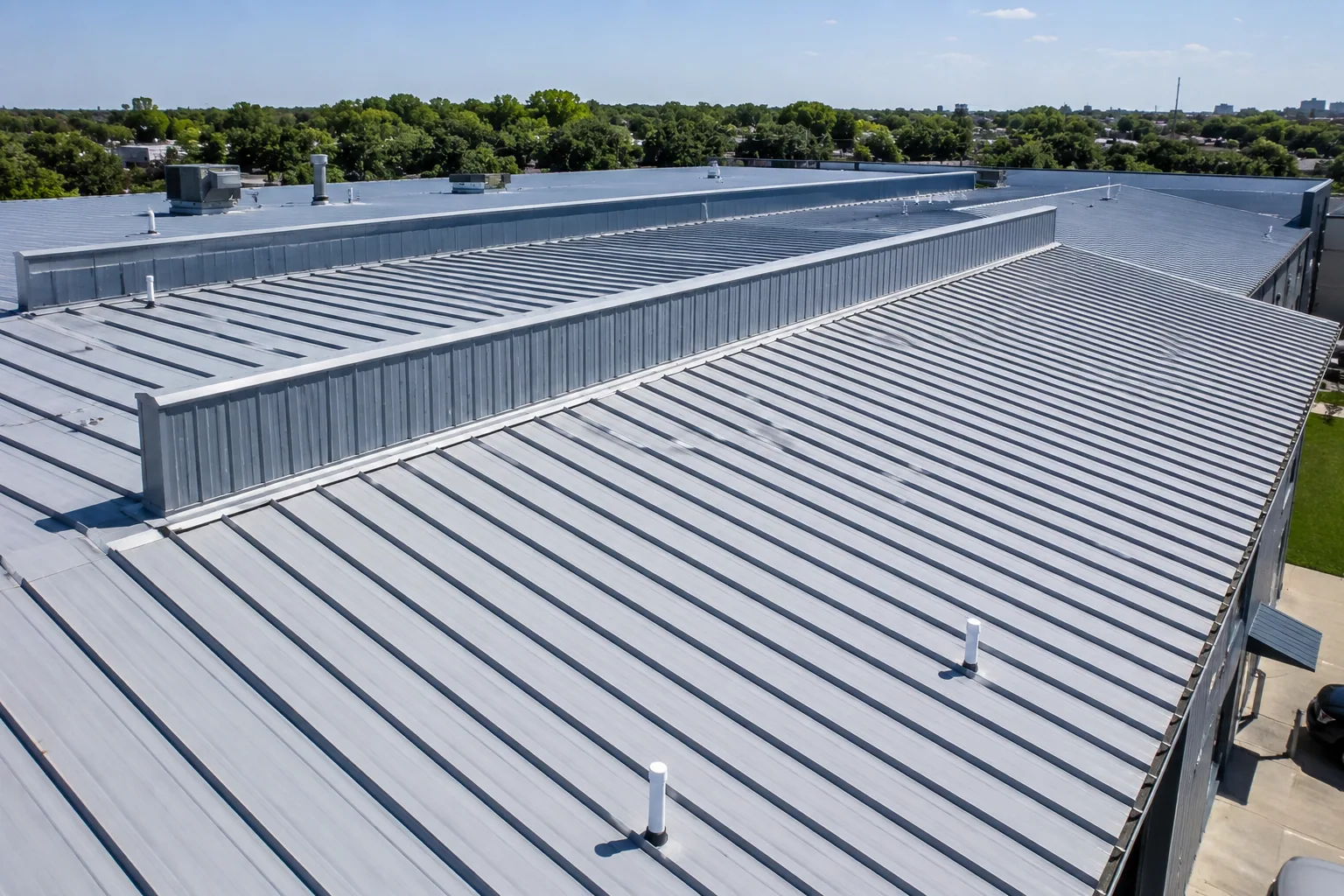
Modified bitumen and built-up roofs are checked for surfacing, laps, blistering, trapped moisture and the layers that remain. Standing seam metal requires attention to panel movement and clips; a metal retrofit introduces a new assembly over a reviewed structure. Palomar Airport Road is a principal employment center for industrial and research activity, where equipment penetrations may influence the detail review.
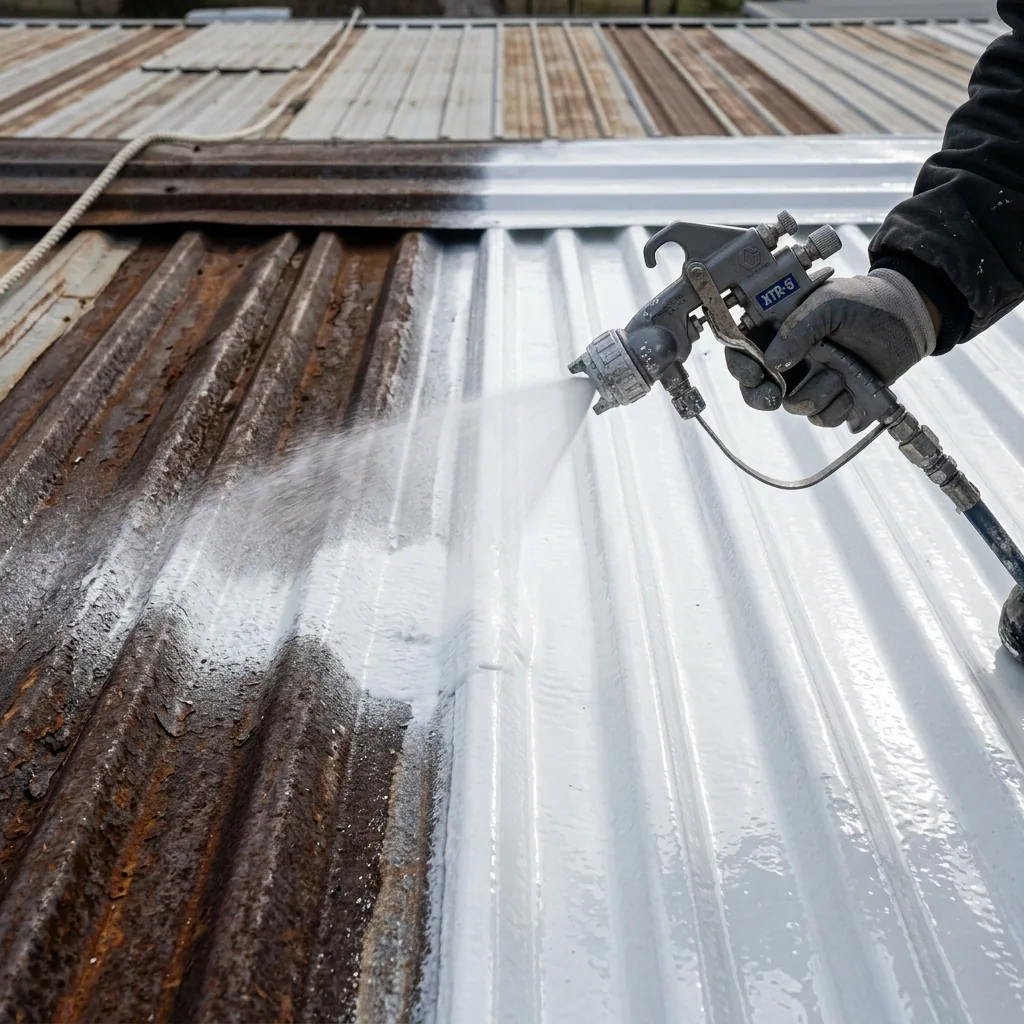
A coating cannot correct wet insulation or loose attachment below it. We examine adhesion, drainage, prior patches and preparation before considering silicone or acrylic restoration. Spray foam forms a continuous surface when substrate and application conditions support it, but transitions still need sound closure. The Carlsbad Research Center and Carlsbad Oaks North are identified as industrial-plan areas; their land-use description does not predict the roof assembly at an individual property.
Deck, insulation, attachment, drainage and future equipment work all affect system selection. We record the layers that can be retained and the interfaces that need reconstruction. A roof condition report gives the facility team a place to compare later observations, while access and maintenance needs shape the practical choice. The decision should state what the proposed assembly changes and which conditions remain for the owner to monitor. Attachment and movement deserve as much attention as the visible sheet. A mechanically attached membrane, a fully adhered layer and a metal panel transfer loads and movement differently. The roof deck, perimeter and penetrations can govern whether a selected assembly remains secure. We document those interfaces and the maintenance needs tied to them, so a system comparison addresses the complete roof rather than only the product name.
We inspect exposed edges, seams, details and previous repairs, then compare those observations with available records. Uncertain material is confirmed before selecting a patch.
No. The receiving surface must be suitable, prepared and stable. Moisture, adhesion, drainage and loose details can require correction first.
Curbs, supports, service routes and future replacements interrupt the membrane. We include those interfaces in system selection and tie-in planning.
No. Seams, drains, edges and penetrations remain working details. A condition record helps focus future maintenance.
Share the building location, roof history and current condition. We can identify the inspection or work scope that supports the decision ahead.
© 2026 Commercial Roofers Carlsbad. All rights reserved. Privacy Policy | Terms of Service | Sitemap